

Farm-to-table has become more than a buzzword; it describes a straightforward principle that changes how food tastes and how it nourishes you. When vegetables, fruits, and herbs travel from soil to your plate within hours rather than days, the difference is immediate and measurable. This is not marketing language. It is chemistry, biology, and physics working together.
If you have ever bitten into a tomato at a farmers’ market and then a supermarket tomato weeks later, you already understand the core reason. The moment produce is harvested, it begins to lose sugars, vitamin C, and volatile flavour compounds. Refrigerated transport, storage in warehouses, and time on shelves all accelerate this decline. Farm-to-table eating reverses this trajectory by collapsing the gap between harvest and consumption.
For anyone in the Delhi NCR region thinking about what this means in practice—whether hosting a corporate team outing or simply wanting to experience genuine farm food—understanding the mechanics helps you make better choices about where and how you eat.
Nutrient Loss Begins Immediately After Harvest
Most commercial produce is picked before it is fully ripe. This allows it to withstand the journey: mechanical harvesting, sorting, packing, transport in refrigerated trucks, storage in cold rooms, and finally retail display. The fruit or vegetable must survive this gauntlet without bruising or rotting, so it is picked underripe and hard.
Here is what happens chemically: once separated from the plant, produce stops receiving nutrients and water from roots. Respiration continues, burning through sugars and organic acids. Chlorophyll breaks down. Enzymes that create flavour compounds slow down at cool temperatures. Studies on broccoli, spinach, and beans show that after just three days of refrigerated storage, vitamin C content drops by 20 to 50 percent.
Farm-to-table produce, by contrast, is harvested at peak ripeness and reaches you within hours. The nutrients remain intact. The sugars have not been depleted. The cell walls have not begun to break down. This is why a carrot pulled from soil in the morning tastes sweeter and crisper than one that has spent a week in transit and display.
Flavour Compounds Develop Only When the Plant is Mature
Taste is built during growth, but it intensifies in the final days before harvest. A tomato develops its full complement of volatile organic compounds—the molecules you actually smell and taste—only when it has reached full maturity on the vine. These compounds include linalool, geraniol, and methyl salicylate, among dozens of others. They are what make a ripe tomato taste like a tomato and not like wet cardboard.
Industrial growers pick early because the fruit must survive transport. By the time it reaches your table, it has been sitting in a cool warehouse for days. The plant is no longer feeding it. The flavour compounds remain frozen at an immature level. You are eating the texture and the water content, not the taste.
When produce is grown on a working organic farm and harvested at full maturity, those compounds are at their peak. They have not degraded. They hit your palate fresh and strong. This is the sensory difference between eating food that was alive hours ago and food that has been in cold storage for a week.
Soil Quality and Growing Method Shape Nutrient Density
Farm-to-table is not just about speed; it is also about how the food is grown. Organic farms that work their own land build soil biology over years. Healthy soil contains billions of microorganisms, fungi, and organisms that help plants absorb minerals: calcium, magnesium, zinc, iron, potassium. The richer the soil biology, the denser the nutrient profile of what grows in it.
Commercial monoculture farms often rely on synthetic nitrogen, which makes plants grow fast and large but does not build soil life. The produce is often less mineral-dense. It looks impressive but delivers less nutritional substance.
On a farm that practices crop rotation and maintains its own organic matter, the vegetables and herbs are fundamentally more nutrient-packed. Combined with harvest at peak ripeness, this means you are eating food that is more nourishing, more flavourful, and more alive.
The Sensory Experience of Fresh Food
Beyond chemistry, there is the immediate sensory reality. Bite into a pepper harvested six hours ago. The skin snaps. The flesh is crisp. The juice is abundant. The flavour is clean and bright. Now bite into a pepper that has travelled 800 kilometres in a truck and sat in a distribution centre. The skin is slightly soft. The flesh is less turgid. The juice is less. The flavour is muted. Your mouth notices the difference before your mind does.
The same applies to herbs. Basil or coriander picked in the morning smells vivid. The leaves are tender and full of oils. A week-old herb from a supermarket is often wilted, with some leaves already discoloured. The flavour is a pale shadow of what it was.
This sensory clarity is why farm-to-table meals stand out. You taste what the food is actually supposed to taste like, unmediated by storage or transport stress.
How Farm-to-Table Works in Practice
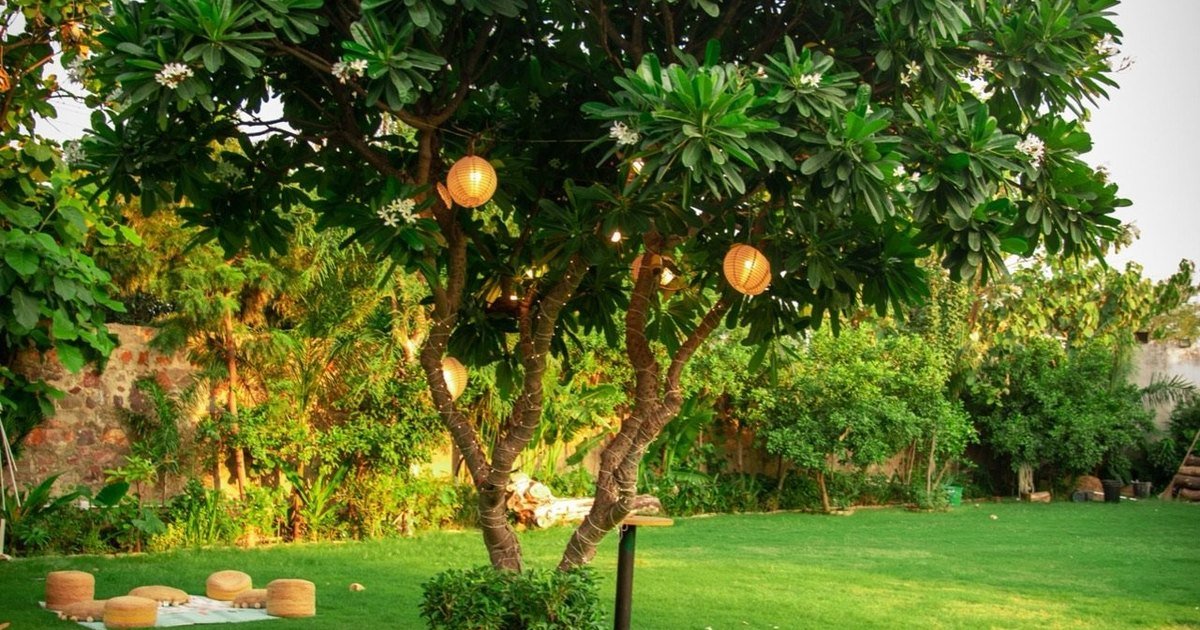
At a property like We Woods Farm in Manesar, farm-to-table is not a concept applied to imported ingredients. It is built into the daily operation. The farm operates on the grounds. Our in-house chef and kitchen team harvest what is needed and prepare it the same day. There is no middle step. No warehouse. No delay.
When you host a gathering—whether an intimate wedding venue event or a casual birthday party farmhouse celebration—the meals served reflect this immediacy. Vegetables are at their nutritional and flavour peak. Herbs are alive. Greens are crisp. The difference registers on every plate.
For those in Gurgaon or Delhi looking to experience this directly, visiting a functioning farm with an on-site kitchen removes all doubt. You see the produce hours before it reaches your table. You taste the difference.
What You Can Do Now
If you want better-tasting, more nutritious food, the principle is simple: shorten the distance between harvest and consumption. Buy from local farmers’ markets if you can. Choose produce that is in season where you live. If a supermarket vegetable has travelled from another continent, it has already lost its peak.
When you host an event or gathering, choose a venue that grows or sources its own food. The quality of the meals will reflect that commitment. Every guest will notice.
Get in Touch
To learn more about what farm-to-table dining looks like in practice, or to discuss hosting an event where the food comes from the land beneath your feet, contact We Woods Farm on WhatsApp or call 9953111000. The team can walk you through options and help you understand what makes the difference between ordinary catering and food that tastes genuinely alive.
