
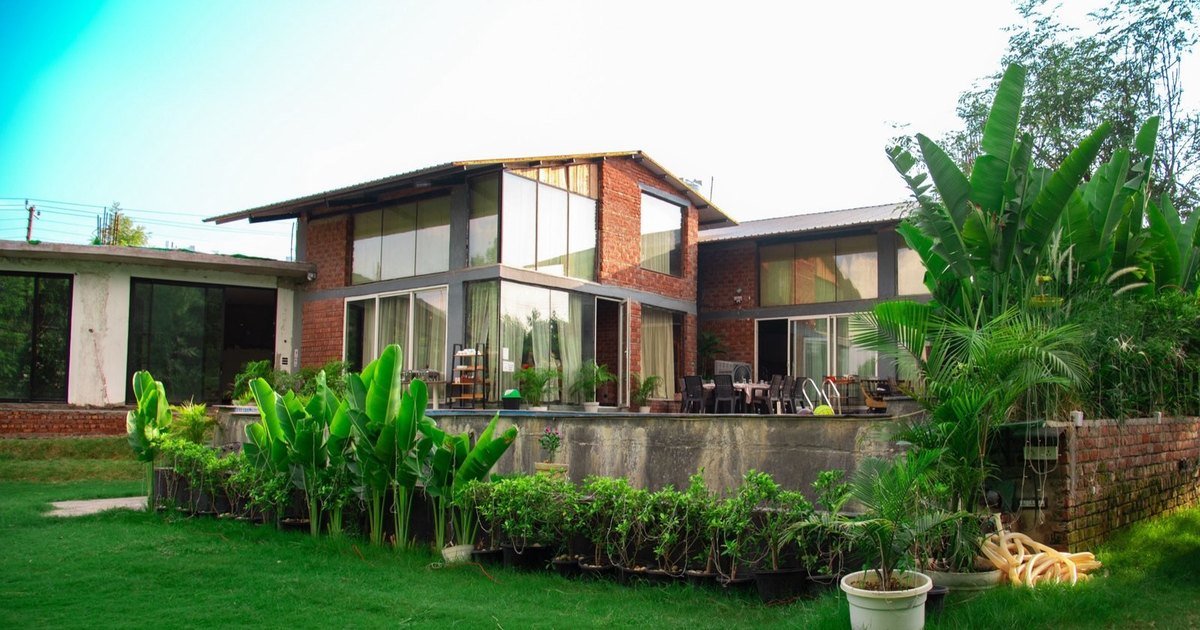

The question of when to visit a farm in North India is not academic. The season you choose will shape everything: the weather you experience, the food on your table, the comfort of your stay, and what activities feel natural rather than forced. For those within reach of Delhi NCR, the answer is clearer than it might seem elsewhere in the country.
North India’s climate is extreme. Summer temperatures regularly exceed 45 degrees Celsius. The monsoon brings heavy rain and humidity that can isolate rural properties. Winter can be crisp and pleasant, but also dry and dusty. Spring and autumn sit between these poles, offering something altogether different: moderate temperatures, clear skies, and a landscape in transition. Understanding this rhythm is essential before you book.
This guide walks through what each season actually offers, and how to match your plans to the calendar. The goal is to help you arrive when the farm experience is at its best, not when you simply have time off.
Why Season Matters at a Farm Property
A farm is not a hotel. It lives by the calendar. Crops grow and are harvested on nature’s schedule. The swimming pool will be refreshing or cold depending on the month. The bonfire will be pleasant or unnecessary. Activities shift in appeal. And the farm kitchen’s relationship to fresh produce changes fundamentally.
When you arrive at a working organic farm, you are arriving into an ecosystem. The quality of your stay—the food, the comfort, the sense of being somewhere real—is tied directly to the season. Recognising this is the difference between a generic farmhouse experience and one that actually delivers.
Autumn: September to November
Autumn is the strongest season for a farm visit in North India. By September, the monsoon has passed. October and November bring consistently clear days, cool mornings, and warm afternoons. Humidity drops. Dust settles. The light is soft and golden.
From the farm’s perspective, autumn is harvest time. The organic fields are productive. The kitchen can work with fresh vegetables, fruits, and herbs that were growing weeks before. Farm-to-table meals are not a concept but a daily reality. You eat what was picked that morning.
Temperatures hover between 15 and 35 degrees Celsius—comfortable for outdoor activities without the intensity of summer. The cricket pitch is playable. Badminton and table tennis are genuinely enjoyable rather than endurance tests. The bonfire in the evening is not a gimmick but a natural focal point for conversation. A corporate team outing in autumn finds good weather for activities and clear heads for evening discussions.
The pool, still warm from summer, becomes genuinely pleasant to swim in rather than cold or tepid. Early mornings and late afternoons are ideal for use. Guests often find themselves naturally gravitating outdoors.
The main constraint is demand. October and November are popular months for events and getaways across North India. Properties fill quickly. If you are considering autumn, plan ahead and confirm availability early.
Spring: February to April
Spring runs a close second to autumn. February and early March offer clear skies, low humidity, and temperatures between 12 and 32 degrees Celsius. The mornings are cool enough to require a light layer; the afternoons are warm and inviting.
Spring is not harvest season in the traditional sense, but the farm is active. Crops are growing visibly. The fields are green. There is life and movement. The kitchen works with stored produce from autumn and winter harvests, plus fresh greens coming into season. Spring vegetables—peas, beans, leafy greens—feature prominently on the table.
The weather is excellent for outdoor activities. Sports and recreation are comfortable. Photography is excellent; the light is clear and the landscape is lush. This is why spring is popular for a photo and film shoot location. The property’s open grounds, spaces for crew, vanity parking, and changing rooms work well with spring’s favourable light and weather.
By late April, heat begins to climb. Temperatures approach 38 to 42 degrees Celsius, and the window of comfort closes. If you are considering spring, plan for February through mid-March for the best experience. April is marginal; the afternoon heat becomes noticeable.
Winter: December to January
Winter in North India is cold, not mild. December and January bring overnight temperatures between 5 and 10 degrees Celsius, with daytime highs around 20 to 25 degrees Celsius. You will need warm layers, particularly in the evening.
From a pure comfort standpoint, winter requires effort. Outdoor activities are pleasant only during the warmest hours of the day. The bonfire becomes essential rather than optional—a place to gather for warmth as much as atmosphere. The pool is cold and used only by the committed.
The farm itself is quiet. Winter is not a growing season. The landscape is less lush than spring or autumn. The kitchen works with stored produce and what grows in winter: root vegetables, cauliflower, spinach, mustard greens.
Winter does offer certain advantages: fewer insects, very clear skies, and a pristine, quiet landscape. For those who genuinely enjoy cool weather and indoor time, and who are visiting specifically for the quiet and solitude, winter can work. But it requires accepting cold mornings and evenings, and a different rhythm of activity.
Summer: May to August
Summer is not recommended for a farm stay in North India, and particularly not in Delhi NCR. Temperatures routinely exceed 45 degrees Celsius from May through July. The heat is not merely uncomfortable; it is intense and exhausting. Outdoor activities become impractical during daylight hours. The pool provides relief but is the primary focus of each day, not one option among several.
The monsoon arrives in July and August, bringing heavy rain, humidity, and the risk of flooding or damage to roads. Travel to and from the property can become unreliable. The farm itself becomes muddy and difficult to move around.
For these reasons, summer is best avoided unless there are specific constraints that make it unavoidable.
Matching Your Event to the Season
If you are planning a specific event—a wedding, a gathering, a birthday celebration—the season shapes what is possible.
An intimate wedding venue benefits enormously from good weather. Autumn and spring allow outdoor ceremonies and receptions without tents or cooling equipment. Winter requires planning for cold evenings. Summer makes outdoor events nearly impossible and pushes everything indoors or under extensive cover.
A birthday party farmhouse in autumn or spring allows guests to move freely between indoor and outdoor spaces, enjoy the pool if they wish, and participate in activities like cricket, badminton, or a bonfire without discomfort. Winter requires more careful planning around weather. Summer limits guests largely to indoor spaces and the pool.
Corporate and leisure gatherings similarly benefit from the moderate temperatures and clear skies of autumn and spring.
Practical Considerations for Planning
Beyond weather, consider also the demands on the property. We Woods Farm accommodates 10 to 22 guests comfortably across 6 bedrooms in 2 private villas, with additional capacity for larger events. Popular seasons fill quickly. If you have flexibility in your dates, asking for availability first—via WhatsApp 9953111000—ensures you can secure your preferred season.
The property is located about 30 minutes from Gurgaon and Cyber City, 35 minutes from IGI Airport, and roughly 45 minutes from central Delhi via NH48. Travel times are consistent across seasons, though weather occasionally affects road conditions during monsoon.
Consider also what you hope to experience. If the appeal is the farm itself—the garden, the fresh food, the connection to where your meals come from—autumn and spring deliver this more fully. If you are seeking primarily a getaway space with good facilities and weather, autumn and spring again offer the most reliable experience.
The Conclusion: Timing Your Visit
The best season to visit a farm in North India is autumn, from September through November, followed closely by spring from February through mid-March. Both offer consistent, pleasant weather; active farm life; excellent food from the gardens; and full enjoyment of outdoor spaces and activities. Winter is feasible for those who embrace cool weather. Summer should be avoided.
For specific dates, availability, and questions about what your chosen season will offer for your particular visit, reach out via WhatsApp or call 9953111000. The team at We Woods Farm can advise on timing, help you plan around weather, and ensure you arrive when the farm and the season align.